The High Lines Next Balancing Act
The famed “linear park” may be a runaway success, but it’s also a symbol of Manhattan’s rising inequality. Can its founder help other cities learn from its mistakes?
Entry
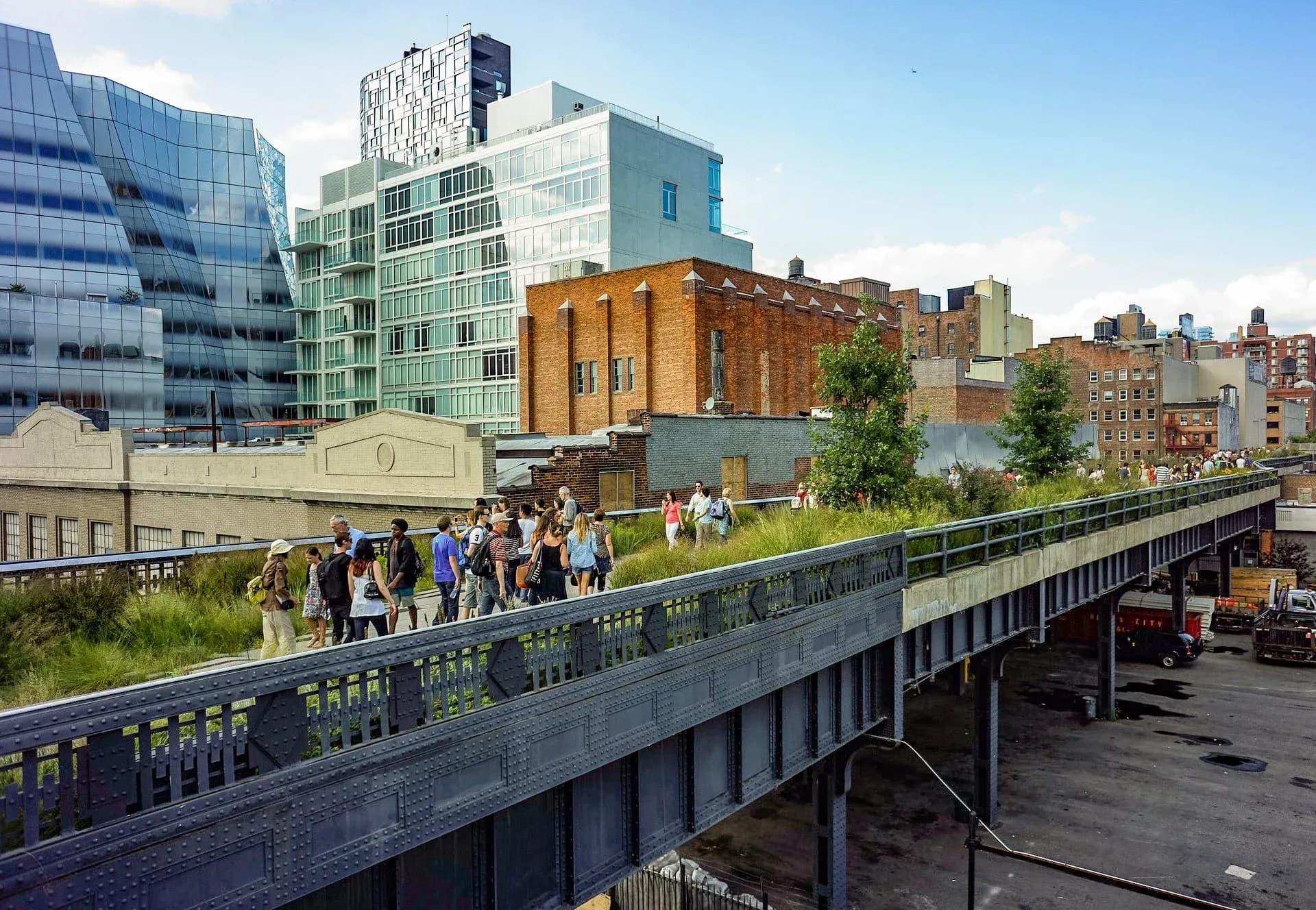
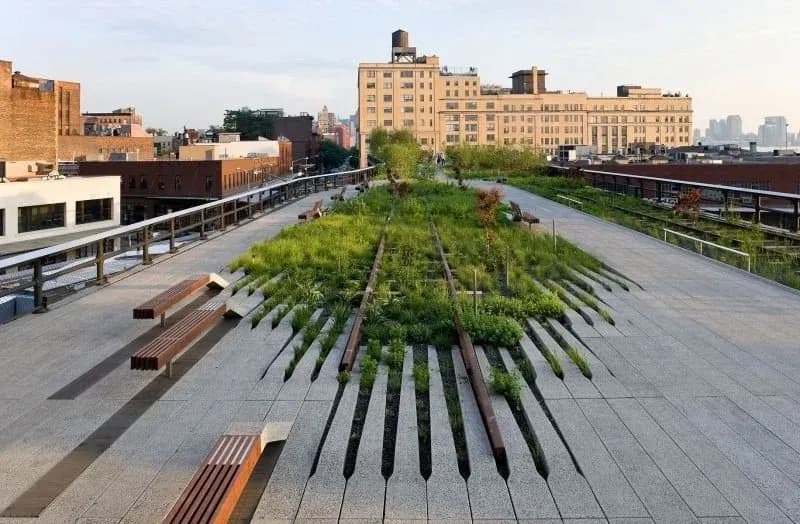
One of our favorite parks in the world, the High Line, has been challenged.
And for a good reason.
Maybe it was just to easy to like it, maybe because it was unique, maybe because it's placed as one of the most interesting parts of New York. But the reality is that suddenly what was a worldwide case study on how to bring a dead zone back to life, with impressive numbers, became a "problem" for its most important stakeholders: the community that surrounds it.
“Instead of asking what the design should look like, I wish we’d asked, ‘What can we do for you?’ People have bigger problems than design.” - ROBERT HAMMOND, High Line designer.
The famed “linear park” may be a runaway success, but it’s also a symbol of Manhattan’s rising inequality. Can its founder help other cities learn from its mistakes?
More entries
- The Great Water Tower HuntA very good reason to look up, and a perfectly acceptable thing to become slightly obsessed with.
- The Zanzibar BagWhy a piece of canvas from sail was worth keeping for years.
- Dialing it backA screenless landline for kids (and maybe the rest of us).
- For the love of HelveticaOne font to rule them all. Let us explain why.